Most businesses begin their financial journey with bookkeeping. In the early stages, this is exactly what they need. Bookkeeping organizes transactions, reconciles accounts, and prepares the business for tax season. It creates structure and ensures the numbers are recorded correctly.
But as a business grows, the financial landscape changes. Revenue increases. Teams expand. Operations become more complex. And suddenly, the financial clarity that once felt simple becomes harder to find.
Instead of confidence, many business owners start to feel friction. The numbers are technically complete, but they are not delivering the insights needed to make strong decisions; this is where controller services may play a part.
Questions start to surface, such as:
- Why does cash flow feel tight even though revenue is growing?
- Is it safe to hire more people?
- Which products or services are actually profitable?
- Why do financial reports feel confusing instead of useful?
- Why does it take so long to get clear answers to simple financial questions?
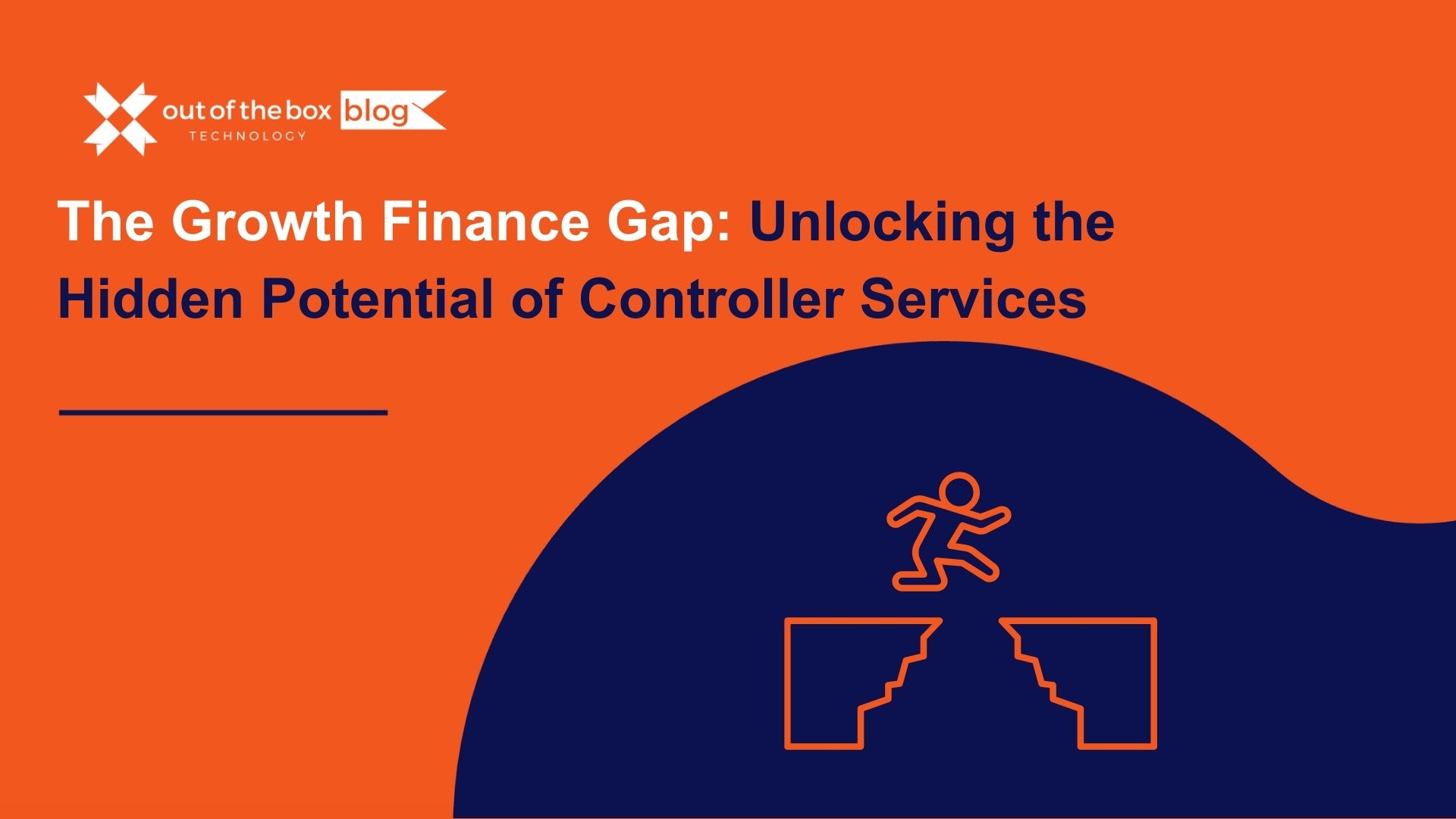
We call this phase the growth finance gap.
It is the stage where bookkeeping alone is no longer enough, but building a full in-house finance team still feels out of reach. This gap is where many growing businesses find themselves today.
Understanding the Growth Finance Gap
The growth finance gap is not a failure. In fact, it is a strong signal that your business is evolving. It means you are moving from survival mode to growth mode.
During this phase, business owners often become accidental financial leaders. They are responsible for major decisions about hiring, pricing, expansion, and investments. Yet they are making these decisions without the deeper financial insight needed to support them.
The books may be clean. Transactions may be categorized. Reports may exist. But there is no clear financial strategy guiding growth.
Without stronger financial oversight, it becomes harder to:
- Predict cash flow with confidence
- Understand true profitability by service, location, or team
- Build a realistic and reliable growth plan
- Catch small issues before they become expensive problems
- Make fast, informed decisions
Growth should feel exciting, not uncertain.
This is where controller services play a critical role. They bridge the gap between basic bookkeeping and strategic finance leadership. Businesses that close this gap gain clarity, confidence, and control over their financial future.
Why Controller Services Matter as You Scale
Many companies wait too long to strengthen their financial function. They assume that hiring a full finance team is the only available next step. But that approach is expensive and often unnecessary in the early growth stage.
Outsourced or fractional controller services offer a smarter path forward. They provide the expertise and insight of an experienced financial leader without the cost of a full-time executive.
This approach gives growing companies access to:
Specialized Expertise
Controllers bring deep financial experience across industries and business models. This allows them to identify risks, opportunities, and blind spots quickly. They also introduce best practices that many small and mid-sized businesses would not otherwise access.
This level of expertise is especially valuable during periods of rapid growth, expansion, or operational change.
Learn more about building a scalable finance function
Cost-Effective Financial Leadership
Hiring a full internal team can strain cash flow. Controller services allow businesses to access high-level financial insight while staying flexible. Companies gain strategic guidance without committing to long-term fixed costs.
This balance supports both stability and growth.
Compare outsourced vs in-house finance teams
Strategic Financial Insight
A strong controller does more than produce reports. They help business leaders understand the story behind the numbers.
This includes:
- Financial forecasting
- Cash flow planning
- Profitability analysis
- Scenario modeling
- Growth planning
This strategic insight helps business owners make confident decisions instead of relying on guesswork.
The Role of a Controller in Bridging the Gap
If bookkeeping is the engine that keeps your business running, the controller ensures the dashboard works and the gauges are accurate.
A controller transforms financial data into reliable, timely insights that support decision-making. They bring structure, accountability, and clarity to the financial process.
Their impact often includes:
Accurate and Timely Reporting
Growing businesses need consistent and trustworthy reporting. Controllers create structured month-end close processes so financials are delivered on time and with confidence.
This allows leadership to act quickly instead of waiting weeks for clarity.
Improved Financial Visibility
Controllers move beyond basic profit and loss statements. They provide deeper insight into:
- Revenue trends
- Profit drivers
- Cost structures
- Operational performance
This visibility helps leaders focus on what drives growth.
Stronger Compliance and Controls
As businesses grow, financial complexity increases. Controllers establish systems that improve accuracy, transparency, and compliance. This reduces risk and builds trust with investors, lenders, and partners.
Streamlined Processes
Controllers improve workflows, approvals, and reporting systems. This reduces bottlenecks and frees up leadership to focus on strategic priorities.
Over time, this creates a more scalable and efficient organization.
Signs Your Business May Be Ready for Controller Services
Many business owners do not realize they have reached the growth finance gap. The transition often happens gradually.
Here are some common signs that it may be time to consider controller services:
1. Month-end close takes too long
If your financials take weeks to finalize or are constantly changing, decision-making slows down. Timely reporting is essential for growth.
2. You do not fully trust your numbers
If you hesitate to make decisions because the data feels unclear or inconsistent, stronger financial oversight is needed.
3. Reporting lacks meaningful insights
Basic reports may exist, but they do not explain performance, trends, or profitability drivers.
4. Growth is creating chaos
Rapid expansion often exposes gaps in systems, workflows, and approvals. A controller brings structure and scalability.
5. You are preparing for funding or expansion
Banks, investors, and partners expect clean, reliable, and organized financials. A controller ensures your business is ready.
Reaching this stage does not mean something is wrong. It means your business is ready to evolve from looking at the past to managing the future.
Flexibility and Scalability for Modern Businesses
One of the biggest advantages of controller services is flexibility. Businesses can scale financial oversight up or down as needed.
This is especially valuable for:
- Startups
- Rapidly growing companies
- Seasonal businesses
- Companies expanding into new markets
Instead of over-hiring too early, businesses gain the right level of support at the right time.
This adaptability improves financial resilience and allows leadership to respond to market changes with confidence.
Closing the Growth Finance Gap
The growth finance gap is a normal and healthy stage of business development. It signals that your organization is moving beyond basic operations and into strategic growth.
Companies that close this gap gain:
- Clear financial visibility
- Better cash flow control
- Stronger profitability
- Faster decision-making
- A reliable growth roadmap
Most importantly, they regain confidence.
Our fractional controller services are designed to bridge this gap. We help bring structure, clarity, and insight to your financials so you can grow with intention. Whether you need stronger reporting, improved processes, or better visibility into your numbers, we work alongside you to build a finance function that evolves with your business.
If you would like a second set of eyes on your financial setup, we would love to connect. Let’s talk about where you are today and what the next stage of financial leadership could look like for your business.